AI resume writer
An AI resume writer that only uses what is true
Most AI writing tools will happily produce a polished résumé from almost nothing. That is the problem. A résumé is a set of claims you will be asked about in an interview, and a line you can't explain does more harm than a plain one you can.
Weydr's AI résumé writer works the other way round. It starts from your real experience, rewrites and reorders it toward a specific job, and is held to strict rules about what it may not add. The result reads like a capable person wrote it about their own work, because the facts are yours.
Updated 26 November 2026
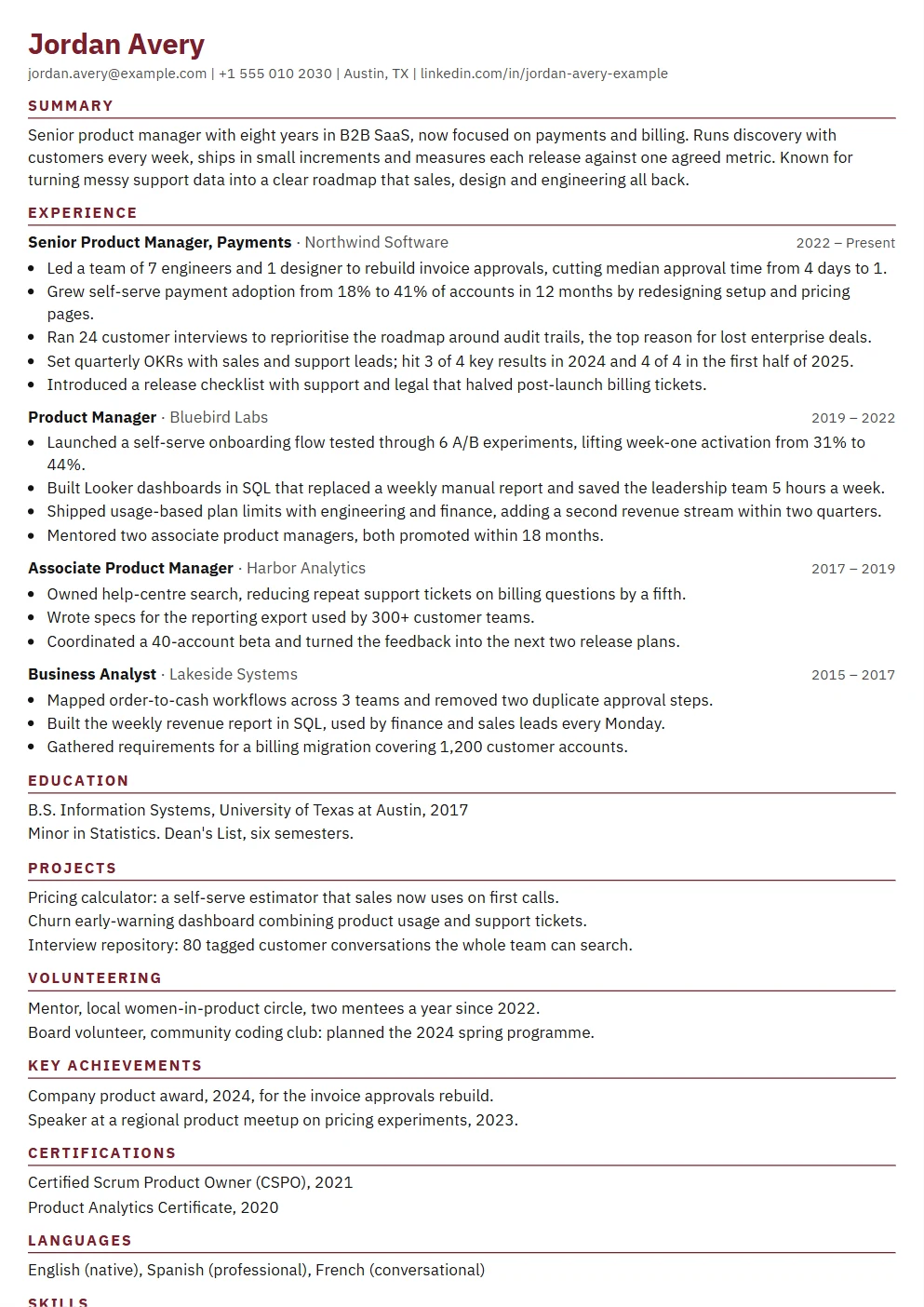
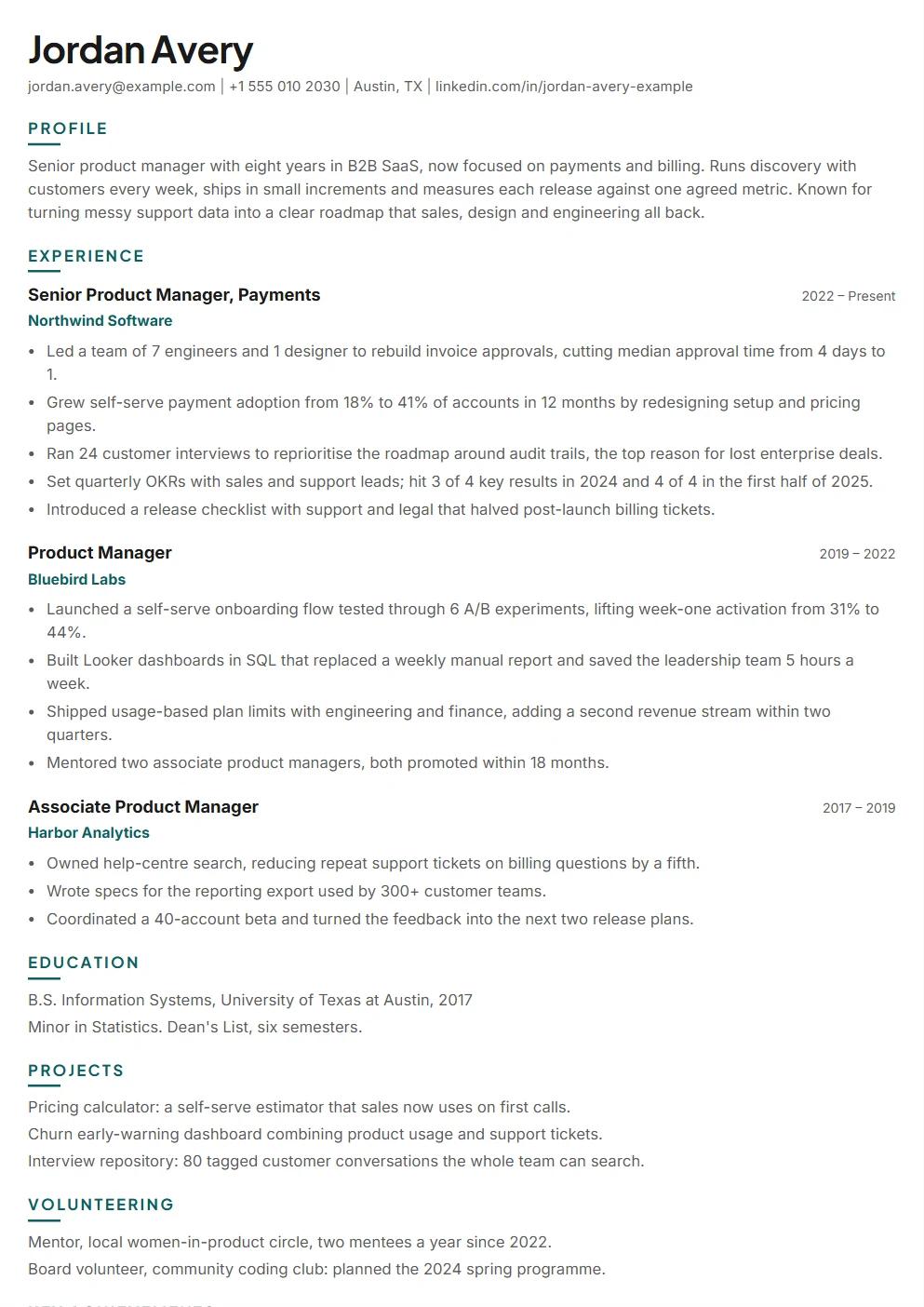
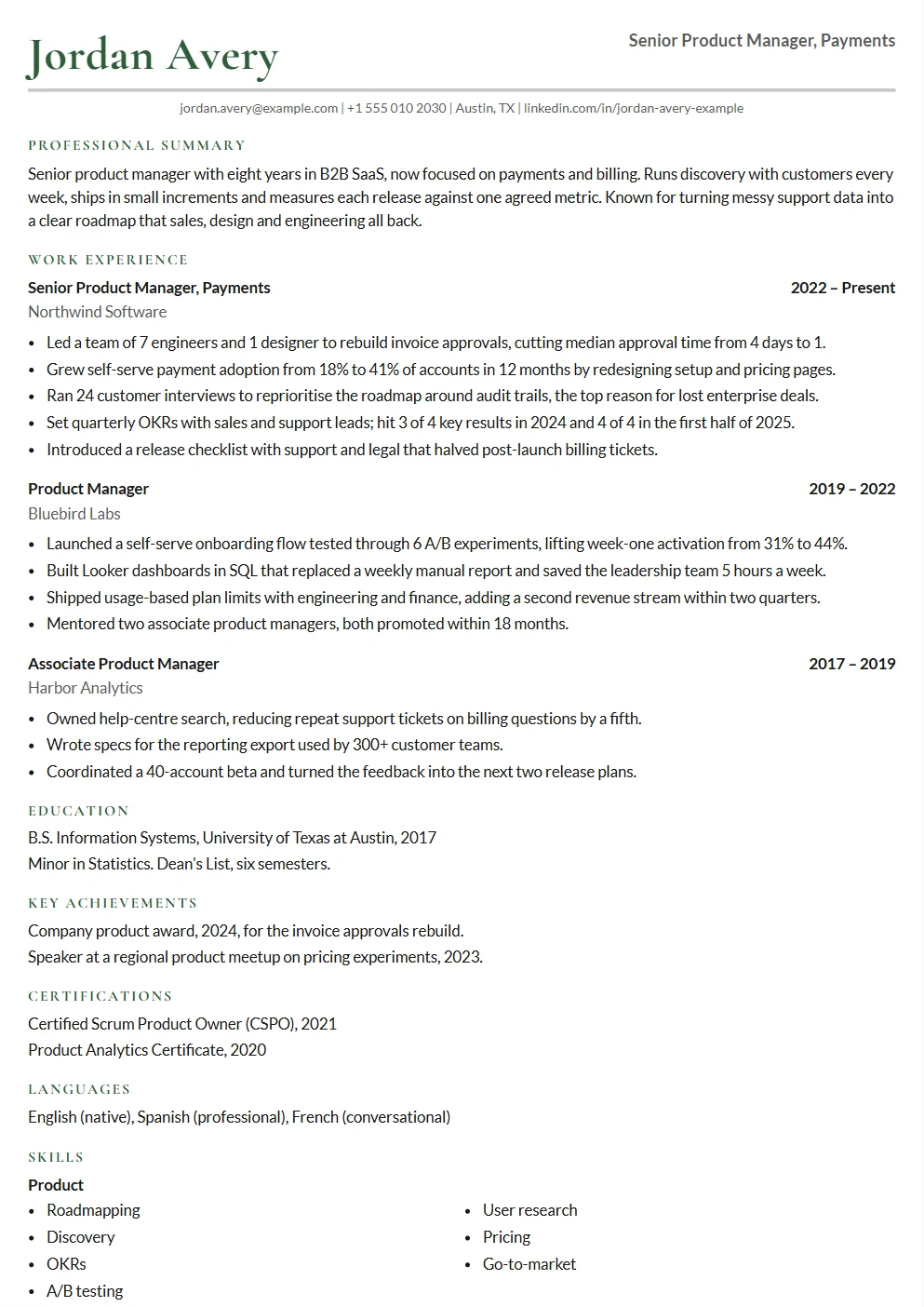
What the AI writer does
- Rewrites your bullets toward the job's language where your experience genuinely matches, so a recruiter or applicant tracking system can see the overlap.
- Reorders your experience so the most relevant work comes first.
- Adjusts your summary to the role you are applying for.
- Saves each tailored résumé as its own version for that job, leaving your master profile untouched.
- Writes a matching cover letter and interview prep for the same job. Likely interview questions for the job with STAR answer drafts grounded in your résumé.
It works from your master profile, which you build once by uploading a PDF résumé or typing in your history. A match score for your résumé against a job description, with the keywords you already cover and the gaps you're missing.
What it is not allowed to do
Weydr's AI is instructed never to invent employers, titles, dates, tools or numbers. It rewords and reorders what is already true in your résumé, so you can defend every line in an interview.
Those rules go further than the headline. The writer works under a set of honesty instructions that override everything else, including requests from the user. Among them:
- The job description is treated as what the employer wants, never as evidence of what you have done.
- A number may only appear if the same number is in the text being rewritten. Vague results are never turned into figures, estimated or rounded up.
- You are never described with the target job's title as if you had held it.
- A result stays attached to the cause and context your résumé gives it. It isn't moved onto a method or team that sounds closer to the job.
- Nothing is added about how often, how long or how expertly you used something beyond what your résumé says.
- If something the job asks for isn't in your résumé, it is left out rather than hinted at. When unsure, the writer leaves it out.
Instructions alone aren't a guarantee, so the tailored résumé is also checked in code against your original. Problems such as the job title worn as your own, or claims your résumé doesn't show, trigger a corrective rewrite. If a role's rewritten bullets still claim something its original bullets don't say, that role keeps its original bullets rather than ship an untrue line. If your real material is thin for a role, the résumé stays short rather than being padded.
Why it reads like a person wrote it
AI-written résumés are easy to spot: the same inflated verbs, three-item lists, "proven track record", and long dashes everywhere. Recruiters see a lot of them. Weydr's writer is told to write the way a capable professional writes about their own work: plain, specific and varied, with ordinary verbs where they fit and stronger ones only where the facts earn them, and without corporate clichés such as leverage, spearheaded or results-driven.
Some tells can't be fixed by instructions, because models slip back into them. Those are cleaned up in code after the AI responds, whichever AI provider produced the text: long dashes used as sentence connectors become commas, curly quotes and ellipsis characters become plain ones, and invisible Unicode characters that sometimes leak into AI output are stripped before the text reaches your résumé.
Your résumé also stays in the language you wrote it in. Tailoring doesn't translate it, so names, skills and job titles stay exactly as you wrote them.
How to review an AI-written résumé
Whatever tool you use, including this one, read the result before you send it. Your name goes on it, and you will be asked about every line. This checklist takes about ten minutes:
- Read every bullet and ask: could I explain this in an interview, with an example? If not, change it or remove it.
- Check every number against your own records. If you don't know where a figure came from, take it out.
- Check that every tool, skill and certification listed is one you have actually used or hold.
- Check job titles, employers and dates against your original résumé. They should be identical.
- Look for phrases you would never say. Replace them with your own words, even if they are plainer.
- Read the summary against the job posting. It should describe you, not repeat the job ad.
- Read it aloud once. Awkward rhythm and repeated sentence shapes are easier to hear than to see.
- Check the layout in the exported PDF, not just the editor, before you upload it anywhere.
Then compare it with the posting one last time. A good tailored résumé makes the overlap between you and the job obvious within a quick skim, without claiming anything you would have to walk back.
Where AI helps most, and where you should take over
AI is good at the mechanical part of tailoring: spotting which of your experiences match a posting, moving them up, and rephrasing them in the employer's terms. That is work people often skip because it is tedious to redo for every application.
You are better at the parts that need judgement. Only you know which project you are proudest of, which result you can talk about for five minutes, and which role you would rather downplay. Use the AI draft as a starting point, then edit it until it sounds like you. Editing your résumé by hand in Weydr's editor is always available.
For a full example of the process, see the worked tailoring example, and for what applicant tracking systems do and don't do, does ATS really reject résumés.
Which AI it uses
On the free allowance and the managed plans, the AI is included and you don't need an account with any AI provider. On the BYOK plan you connect your own key from Google Gemini, OpenAI, Anthropic (Claude), xAI (Grok), Mistral, DeepSeek, OpenRouter (any model), your content goes directly to that provider under your own account, and the key is encrypted at rest. The same honesty rules and code checks apply either way.
Every résumé exports as PDF and Markdown (.md), unlimited on every plan. See the AI résumé builder for the full workflow, or what is free before you start.
Frequently asked questions
- Does Weydr's AI resume writer make things up?
- Weydr's AI is instructed never to invent employers, titles, dates, tools or numbers. It rewords and reorders what is already true in your résumé, so you can defend every line in an interview. Its output is also checked in code against your original résumé for unsupported claims.
- Will recruiters be able to tell my resume was written with AI?
- Weydr is designed to avoid the usual tells: it writes in plain, varied language without corporate clichés, and common AI punctuation habits are cleaned up in code. You should still edit the result so it sounds like you.
- Can the AI write a resume from scratch?
- It works from your real history. You upload a PDF résumé or enter your experience once, and the AI rewrites and reorders that material for each job. It doesn't invent experience to fill gaps.
- How should I check an AI-written resume?
- Check every number, tool, title and date against your own records, make sure you could explain each bullet with an example, replace phrases you would never say, and review the exported PDF before sending it.
- Does the AI translate my resume?
- No. Tailoring keeps your résumé in the language you wrote it in. Cover letters and interview prep follow the language of the job description.
Let the AI do the rewriting. Keep every fact yours.
Free starter allowance, no credit card, no trial timer.
Start free now