Resume builder for career change
A resume builder for changing careers honestly
Changing careers puts your résumé in a difficult spot. Your experience is real and often substantial, but it was written for a different field, in that field's language, and a recruiter skimming for the new role may not see how it connects. The answer is not to pretend you have done the new job. It is to show clearly which parts of what you have done carry over.
Weydr is built around that idea. You keep one master résumé with your full history, and for each job in the new field it creates a tailored version that leads with your most relevant experience and describes it in the posting's terms, using only what is true.
Updated 26 November 2026
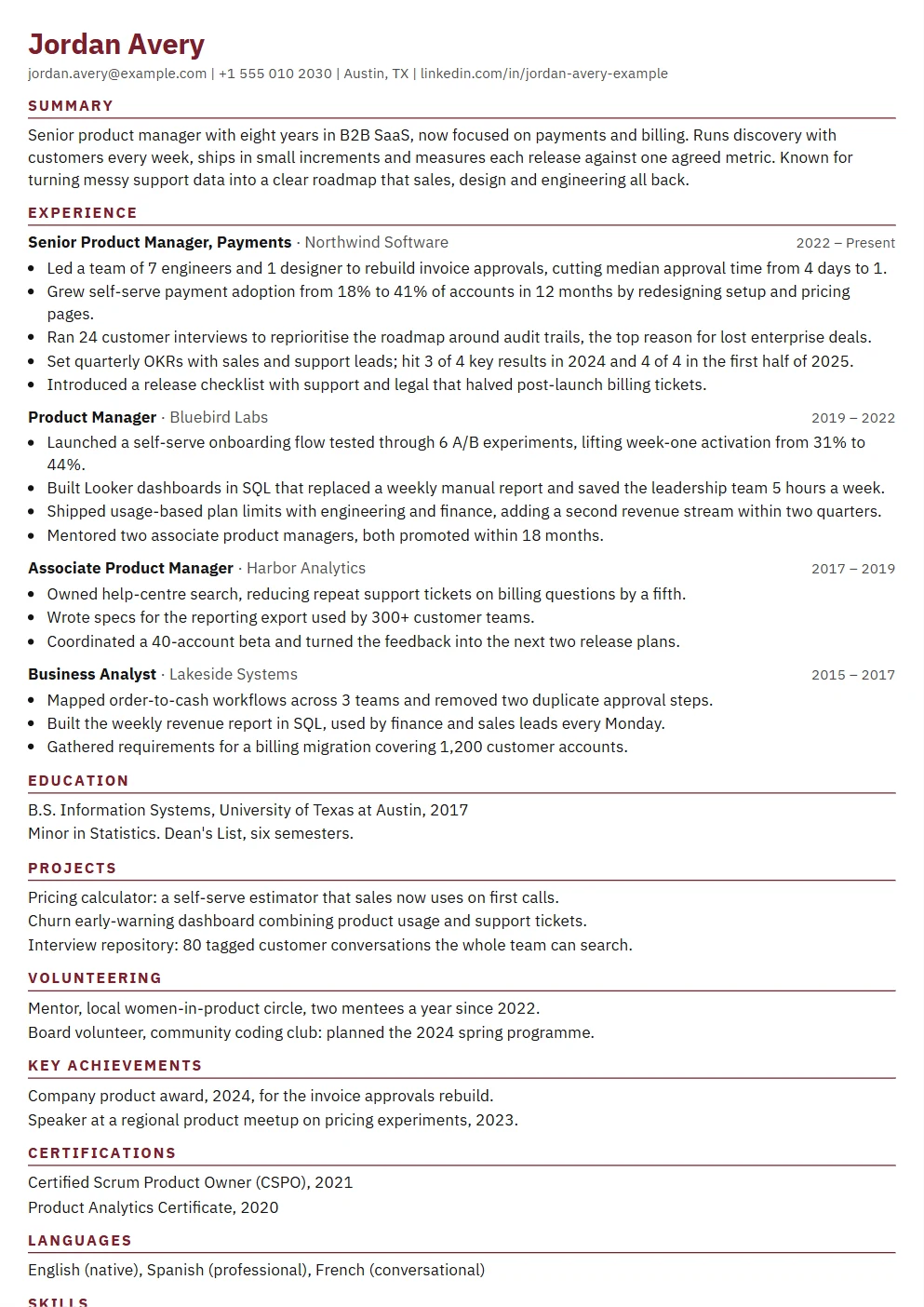
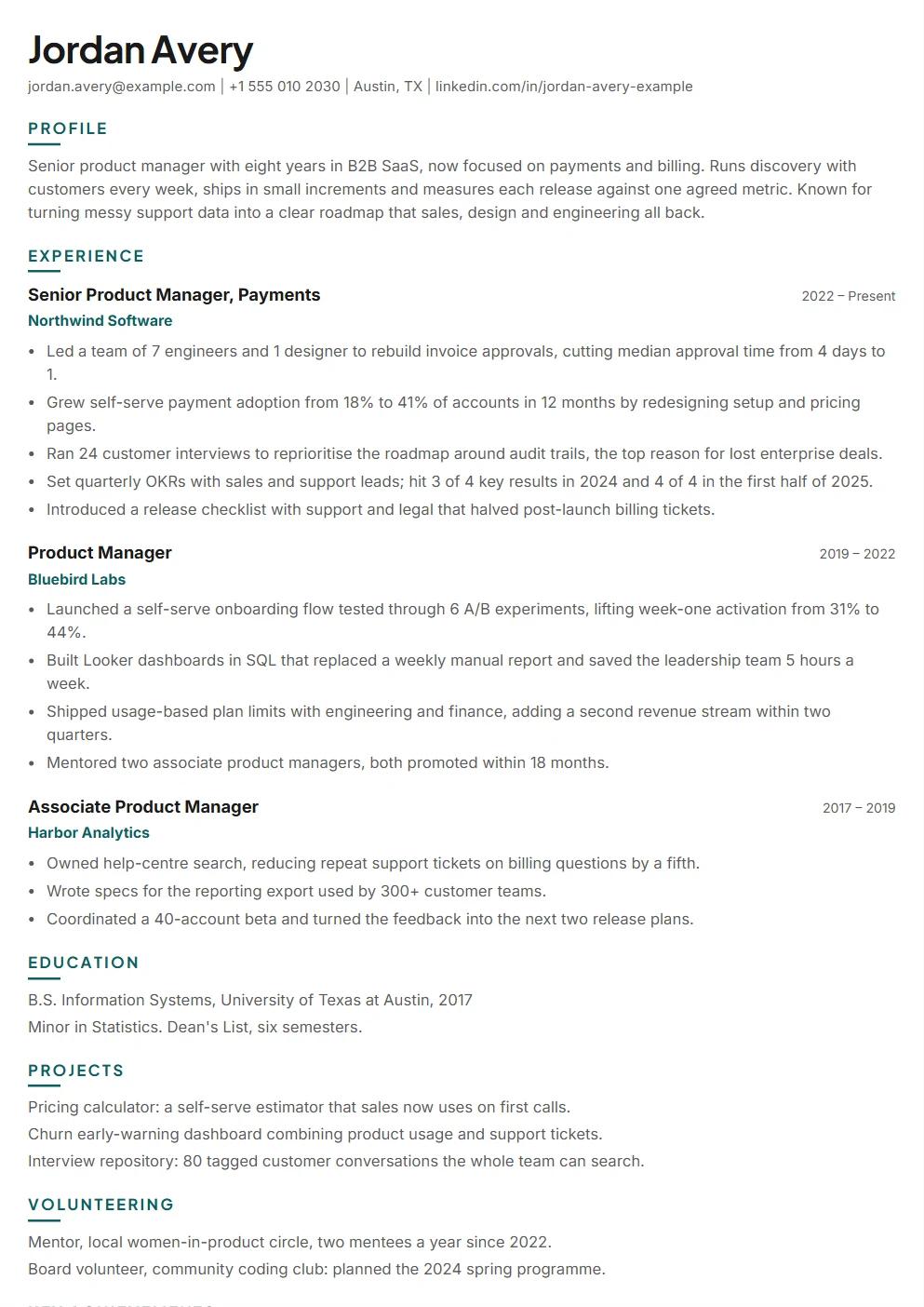
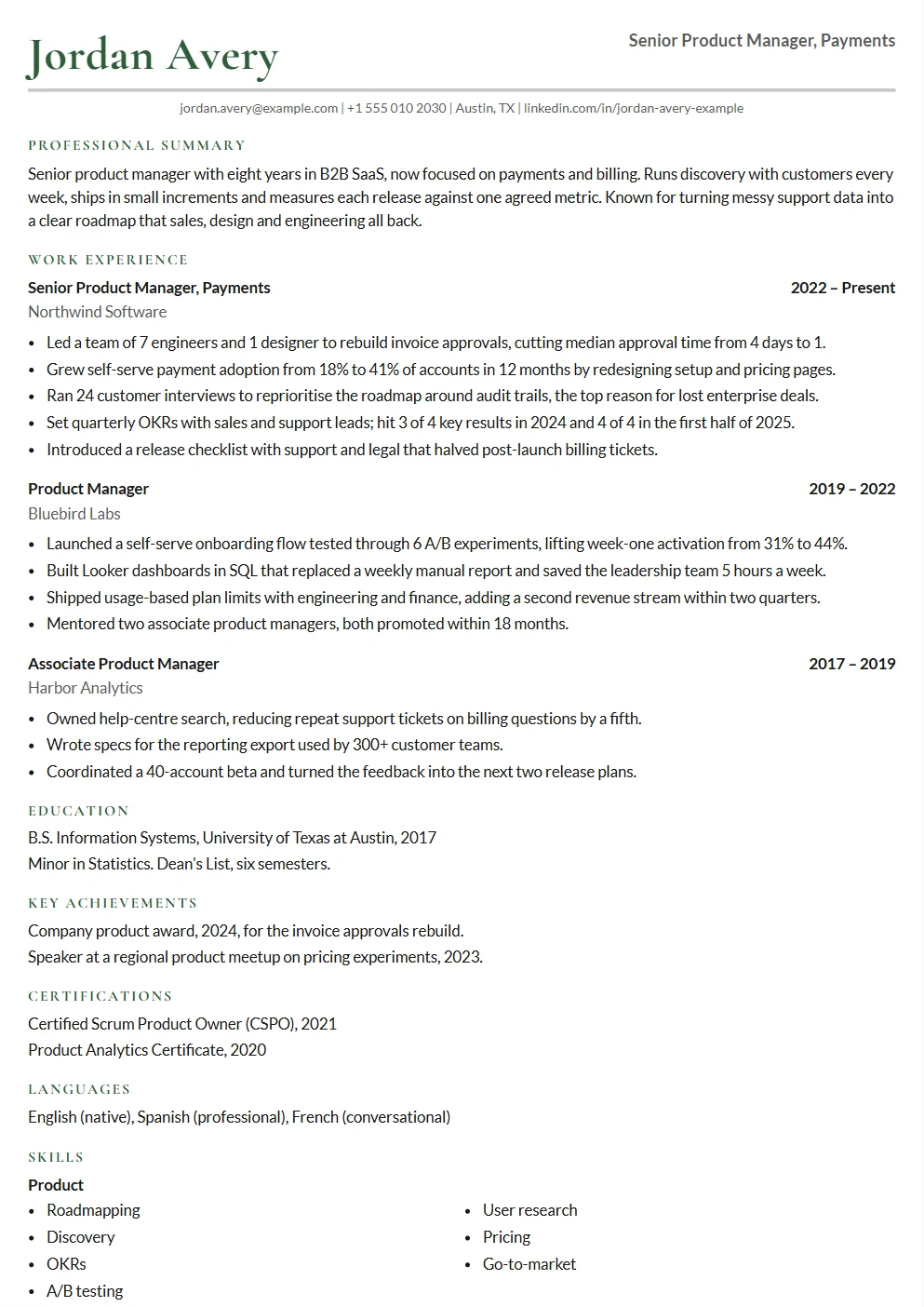
Why career-change résumés get passed over
Most career-change résumés don't fail because the person is unqualified. They fail because the reader can't see the connection quickly. The common problems are:
- The most relevant experience is buried in the third bullet of a role from four years ago.
- Bullets use the old industry's jargon, which means little to a reader in the new one.
- The summary describes the old career rather than the move you are making.
- Skills that transfer, such as stakeholder management, analysis or training, are implied but never stated plainly.
- Transferable skills are claimed in general terms with no evidence behind them.
Map what you have to what the new role asks for
Before rewriting anything, do the mapping by hand. It takes an hour and makes everything after it easier:
- Collect five to ten postings for the role you want and list the requirements that come up again and again.
- Go through your history and, for each requirement, note any real evidence: a project, a responsibility, a result, a course.
- Mark the requirements you can't evidence. Those are your genuine gaps, not something to paper over.
- Translate your evidence into the new field's language, without changing what happened. A teacher "planned and delivered lessons for 30 students" is also someone who designed and ran training for groups.
- Decide what you will do about the gaps: a course, a portfolio project, volunteering, or simply applying to roles where they matter less.
The free keyword checker speeds up the first step: paste a posting and your current résumé to see which of its terms you already cover. Our study of job posting keywords shows which skills come up most often across role families.
Choosing a résumé structure
For most career changers, a reverse-chronological résumé with a strong summary and a skills section near the top works best. Recruiters and applicant tracking systems both expect it, and it avoids the suspicion that purely skills-based (functional) résumés sometimes attract, since those can look as if they are hiding something.
Within that structure, a few adjustments help:
- A summary that names the move: who you are now, what you are moving toward, and the two or three strengths that connect them.
- A skills section that lists transferable and newly learned skills you can actually demonstrate.
- A projects section for work done specifically for the new field, such as a portfolio, a certification project or freelance work.
- Shorter treatment of older, unrelated roles. One line with title, employer and dates is often enough.
There is a longer walk-through, with examples, in the career change résumé guide.
How Weydr helps with the rewrite
Once your full history is in your master profile, you add a job from the new field by pasting its description or the posting's URL. Job Fit then shows a match score with the keywords you already cover and the gaps. Tailoring rewrites and reorders your bullets toward the job's language, adjusts your summary, and saves the result as a separate version for that job. Your master profile stays untouched, so you can tailor for a product role and an operations role from the same history.
Weydr's AI is instructed never to invent employers, titles, dates, tools or numbers. It rewords and reorders what is already true in your résumé, so you can defend every line in an interview.
This matters a lot for career changers. The temptation, with or without AI, is to describe adjacent work as if it were the same thing. Weydr's rules forbid it: if the job asks for something your résumé doesn't show, it is left out rather than hinted at, and you are never described with the new job's title as if you had held it. What you get instead is your real experience, described in terms the new field recognises.
For how tailoring works step by step, see tailoring a résumé to a job description.
Explaining the change
A recruiter will wonder why you are changing fields. Answer that before they ask, briefly and positively. The summary on your résumé can do part of the job in one line, and the cover letter can do the rest in a short paragraph: what drew you to the new field, what you have done about it, and why your background is useful there.
Weydr generates a cover letter for the same job from the facts in your résumé, and interview prep with likely questions and STAR answer drafts grounded in your experience. Career changers are almost always asked some version of "why the switch?", so it is worth preparing a clear two-minute answer.
If you also have a gap from retraining or a break, the guide to explaining an employment gap covers how to show it.
Keywords by role for your target field
Each of our role guides lists the keywords that come up in postings for that job, example bullets and common gaps. Find your target role in the résumé guides by role, or jump to the keyword lists for every role on the résumé keywords page.
Frequently asked questions
- What is the best resume format for a career change?
- For most people, a reverse-chronological résumé with a summary that names the move, a skills section near the top and a projects section for work done for the new field. Purely functional résumés can make recruiters suspicious.
- How do I show transferable skills?
- Pair each skill with evidence. Instead of listing "stakeholder management", write a bullet that says who you worked with and what you got done. Use the new field's wording for the skill, not the old one's.
- Will Weydr make my experience look like the new job?
- It will describe your real experience in the new field's terms and put the most relevant parts first. It won't add tools, titles or results you don't have, and it won't describe you with the new job's title as if you had held it.
- Should I leave old, unrelated jobs off my resume?
- Usually keep them but shorten them. A line with title, employer and dates avoids an unexplained gap while leaving room for the relevant material.
- Can I keep separate resumes for different target fields?
- Yes. You keep one master profile, and every tailored version is saved separately per job, so you can apply in different fields from the same history. Each one exports as PDF and Markdown (.md).
Reframe your experience for the job you want next
Free starter allowance, no credit card, no trial timer.
Start free now